
The 89th Session in Review: Advances for Clean Firm Power
Texas energy is evolving, and few concepts hold as much untapped promise (or perhaps misconceptions) as clean firm power. Simply put, clean firm power is the use of reliable, low-carbon sources of electricity that provide a consistent supply to a growing Texas demand.
Clean, firm power is an important energy source in the Lone Star State, where extreme weather events strain our grid’s resilience and where energy reliability is more than an economic issue; it also affects public safety, health, and prosperity. Indeed, the Texas Legislature has a unique opportunity in future legislative sessions to bridge the critical gap between environmental protection and domestic energy security through technologies like nuclear reactors, geothermal systems, and clean hydrogen. This blog reflects on clean, firm power-related bills from the 89th Legislative Session and paints a clear picture of the future of energy security and contemporary innovation for upcoming sessions.
Click through the header links to read each topic-by-topic policy summary in detail.

As states and utilities search for reliable clean energy sources, nuclear power has gained renewed attention across the political spectrum for its ability to provide consistent, emissions-free electricity. However, progress should evoke pride and reassurance in Texas' leadership in clean energy innovation.
HB 14, authored by Representative Cody Harris, created the Texas Advanced Nuclear Deployment Act, a groundbreaking framework establishing funding mechanisms within the Governor's office to support next-generation nuclear technologies. From small modular reactors to innovative microreactors, this legislation underscores that nuclear has a promising and prosperous future.
Next, the passage of SB 1535 by Senator Judith Zaffirini demonstrates something equally important: bipartisan recognition that the clean energy transition must include good-paying jobs for working families. The Advanced Nuclear Energy Workforce Development Program ensures that Texans, particularly those in rural communities and historically underinvested urban areas where economic opportunity has been limited, have pathways to high-wage careers in the growing nuclear sector.
Finally, SB 1061 by Senator Tan Parker streamlined uranium mining authorization processes, acknowledging that domestic nuclear fuel production is essential for true energy independence.
The legislation represents a striking political shift, as Governor Greg Abbott, who just three years ago declared, "I will not let Texas become America's dumping ground for deadly radioactive waste," has allowed the state to move forward with developing its uranium reserves and thus the future of geothermal through his pen-to-paper signature.
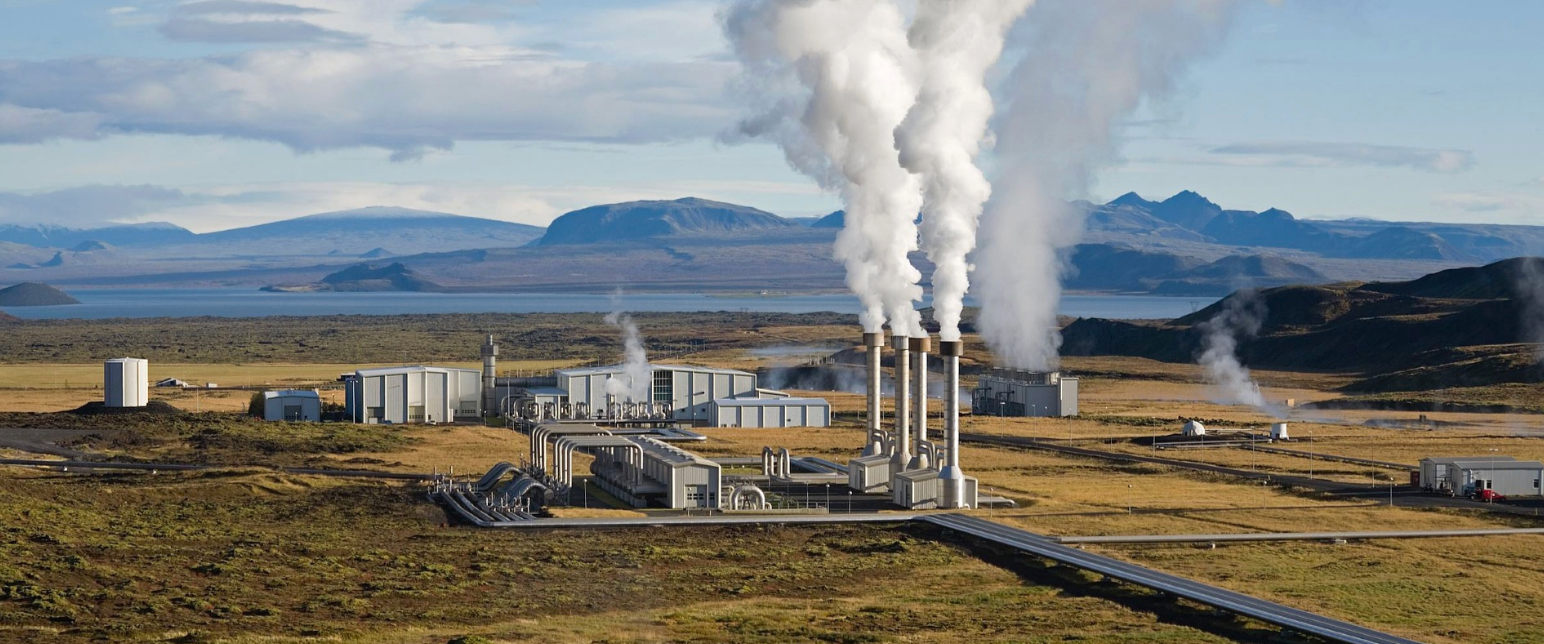
Geothermal energy also achieved remarkable legislative success. Yet again, details remain to be filled in regarding the legal implications of geothermal land use and fracking sites, as well as implementation challenges. The following bills were of particular interest.
SB 879, by Senator Brian Birdwell, streamlined permitting requirements for persons who drill or operate shallow geothermal injection wells by exempting certain forms and fees. SB 1762, by Senator Cesar Blanco, clarified the regulatory framework for geothermal wells, ensuring that these underground energy storage systems are correctly recognized as dispatchable electricity generation resources. This distinction matters enormously because it means geothermal can compete on equal footing with traditional fossil fuel plants.
Notably, the passage of HB 4370 by Representative Will Metcalf expanded municipal utility districts' infrastructure development capabilities to include geothermal systems, opening new pathways for local communities to invest in their own clean energy futures. For districts serving communities across Texas, this represents an approach to energy democracy through power systems, an innovative solution called Thermal Energy Network Systems (TENS). TENs are a neighborhood-scale approach to geothermal energy. Rather than installing individual heat pumps in each home, TENS achieves greater efficiency by connecting multiple buildings to an underground source, similar to a district heating system.

Hydrogen energy faced a steep battle during the 89th session. Such challenges in advancing hydrogen legislation underscore that technological potential must be paired with political savvy to ensure these industries are best supported in the years to come.
HB 2999 by Representative Caroline Harris Davila was a Republican-led bill that would have allowed hydrogen-fueled vehicles to exceed weight limits to support industry growth and maintain consistency with federal regulations. This bill passed the House but stalled in the Senate.
A comprehensive vision for clean hydrogen was outlined in HB 5600 by Representative Don McLaughlin, which also did not pass, and would have established tax benefits and workforce development for clean hydrogen, highlighting the potential for hydrogen to play a crucial role in Texas' clean energy portfolio. More work must be done, and thus there is a vital opportunity for Legislators to engage with hydrogen in the upcoming 90th session.
As community members, staffers, lobbyists, and Legislators prepare for the 90th session, we can collectively recognize that there is a clear launching pad for even more ambitious ideas. From advanced modular reactors to next-generation geothermal systems and wider access to hydrogen, clean firm power represents a broad spectrum of energy innovation opportunities. Opportunities await as we reconvene in January of 2027 in our historic Texas Capitol building, where innovation has boundless potential to echo beyond the pink dome’s mahogany walls.