
Q&A with Former Energy Policy & Program Intern: Tommy Wan
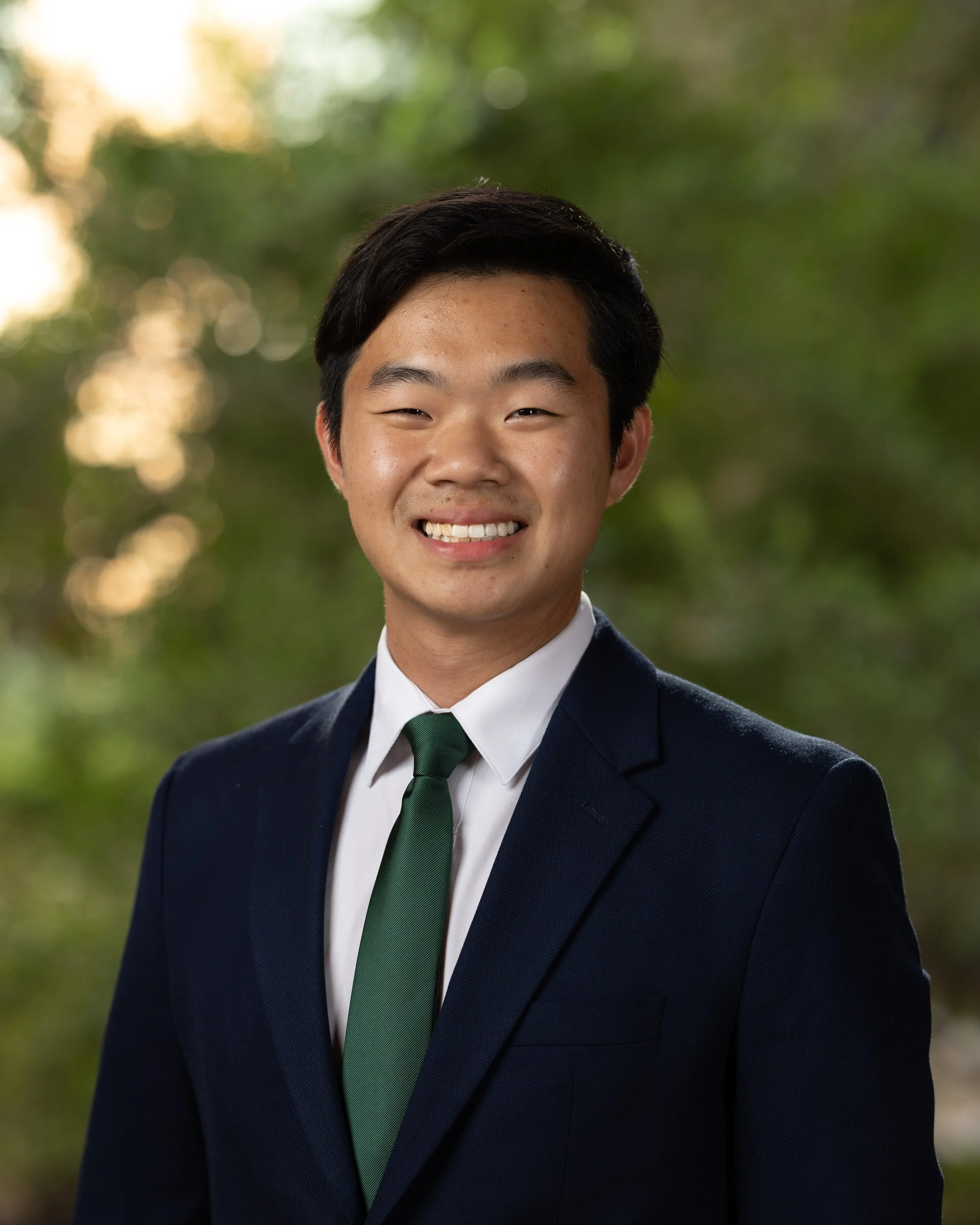
Tommy, can you start by telling us a bit about yourself?
Hello, my name is Tommy Wan. I am studying civil engineering and government, and am in the Plan II honors program at the University of Texas at Austin. I am a first-generation student from Alief, a multi-cultural and working-class neighborhood in Southwest Houston. We are an incredible microcosm of diverse communities, languages, and innovation. My motivation is to do as much as I can for my home neighborhood—specifically by applying robust engineering principles and public policy. For me, understanding technical systems that undergird our state's energy is essential to shaping prudent policy.
What inspired you to start exploring a career in energy and environmental policy?
My connection to Houston. The city faces billions in infrastructure funding deficit, underscoring the critical need for environmental justice, technical expertise, and the filling of essential gaps in Southwest Houston neighborhoods. We know that Harris County is plagued
by 131 concrete batch plants, which emit 111 tons of primary particulate matter annually, costing the region $29 million in economic damage. Houston's water and wastewater line replacement rate falls alarmingly short of industry standards, with only 6% of pipes replaced. Chromium hexavalent endangers Alief, reaching 6.3 PPB in one facility. As a civil engineering major interested in infrastructure equity and cascading sociotechnical systems, it’s clear our communities are vulnerable. Weak regulations, required consent decrees, lack of community engagement, and broken notification systems enable critical issues to slip through the cracks. Subsequently, energy access and infrastructure initiatives are profound and life-changing. I firmly believe that Texas needs to address a fundamental dual challenge: meeting growing energy demand while relentlessly innovating toward cleaner sources.
What main projects did you work on as a PowerHouse intern?
I worked on developing the Energy Policy Advisory Council (EPAC), policy briefs (on nuclear energy, water-energy nexus, transmission infrastructure, and financing), policy summaries from the 89th Legislative Session, grant funding proposals, and the Texas Energy Independence Tour. I am privileged to have worked with such a hard-working, intellectually critical, and supportive team. These were tangible experiences that developed my policy knowledge while working during the interim.
What were your most valuable takeaways from interning with PowerHouse last Fall?
Science necessitates translation. Research is prevalent in Texas. Amongst the constellation of world-class academic institutions, scientists, and engineers (and perhaps adversarial partisanship in both chambers), Texas is leading at the forefront of energy policy. Yet, in critical areas such as nuclear and geothermal energy, it was clear to me that there must be a functional bridge between science and the state policymaking process. Since it must be communicated effectively to legislators on both sides of the aisle, organizations such as PowerHouse Texas reinforce the need for such services. Another takeaway is the importance of relationship building. The Pink Dome community is tight; People talk often. Coming from a place of compassion, integrity, and honesty, and with your homework done, is essential for developing policies that affect communities statewide.
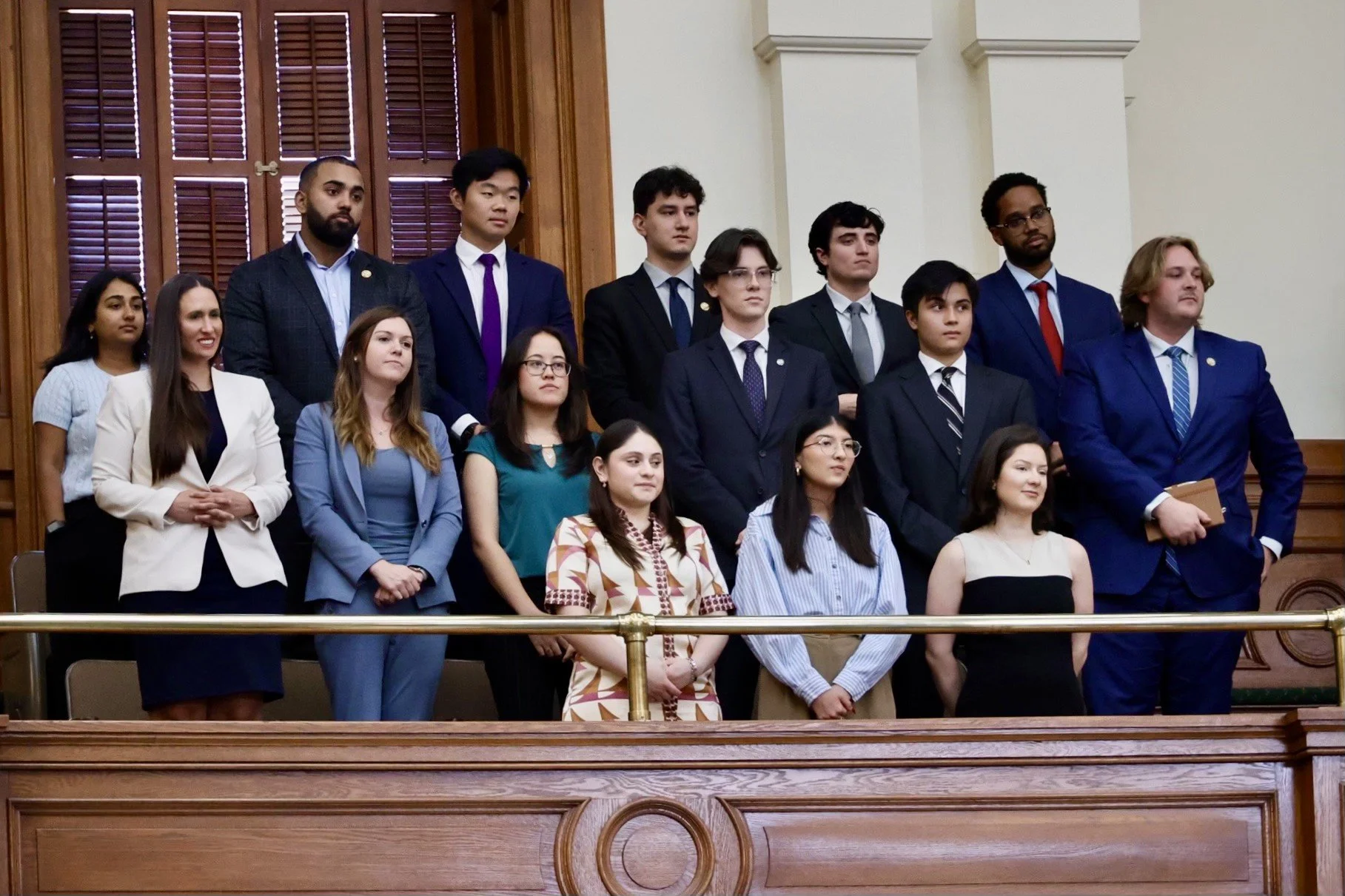
Tommy Wan, back row and second from the left, in the Texas Capitol Floor room during his previous internship with Senator Nathan Johnson.
Looking ahead, can you tell us what you hope to accomplish next?
I have caught the bug for the Texas Legislature. After working with PowerHouse during the interim, conducting research at the engineering school on the Kerrville floods, at the House during the 88th, and the Senate during the 89th, I am looking forward to working during the 90th session. After, I plan to pursue a J.D. with graduate coursework and research in civil engineering to study infrastructure vulnerabilities, urban development, sociotechnical misalignments in engineering, and opportunities for policy intervention. As always, I will be continuing to empower underserved communities like Alief through community engagement.
Is there anything else you would like to share about your experience?
The urgency to meet the needs of a growing Texas is real—youth involvement and mentorship models are needed. And finally, the bridge between science and policy is where impact happens. I thank the PowerHouse Texas team for an incredible opportunity. It’s true that the more you know, the less you know.